


Catch the Shape
The degradation and destruction of ecosystems is a global problem. The new EU Nature Restoration Law aims to restore at least 20% of the EU’s terrestrial and marine areas by 2030 and all degraded ecosystems by 2050.

Our service, Catch The Shape, offers a unique solution to these problems, facilitating the formation of biodiverse and self-sustaining ecosystems using circular economy principles.

Our Method of Geomorphologically-Based Ecological Restoration
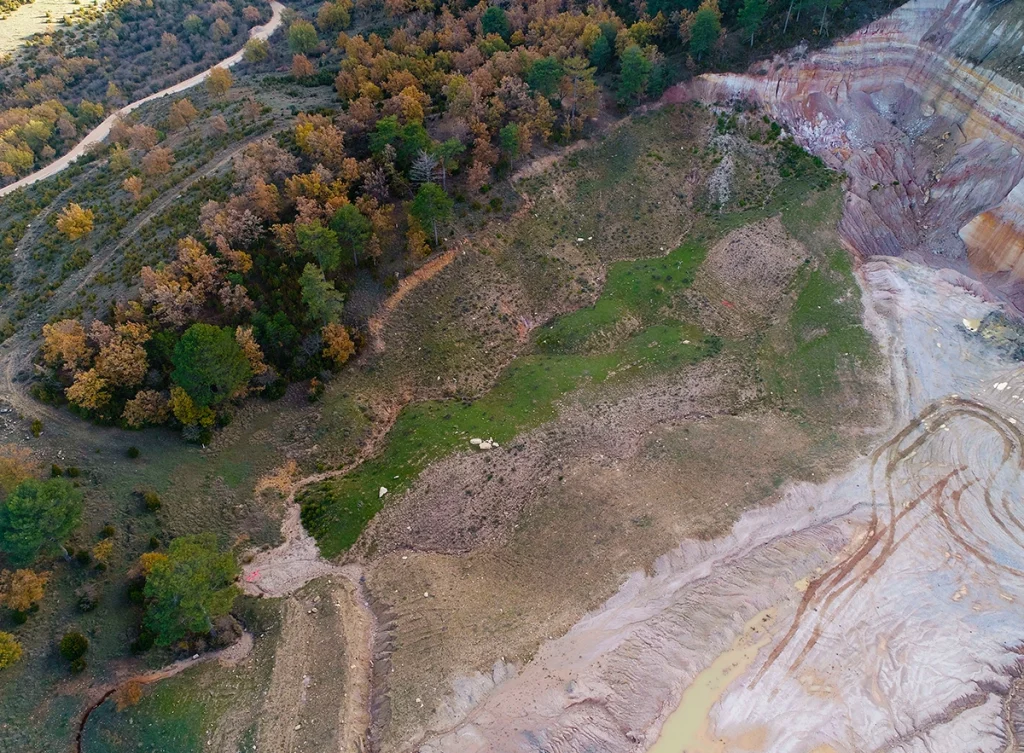
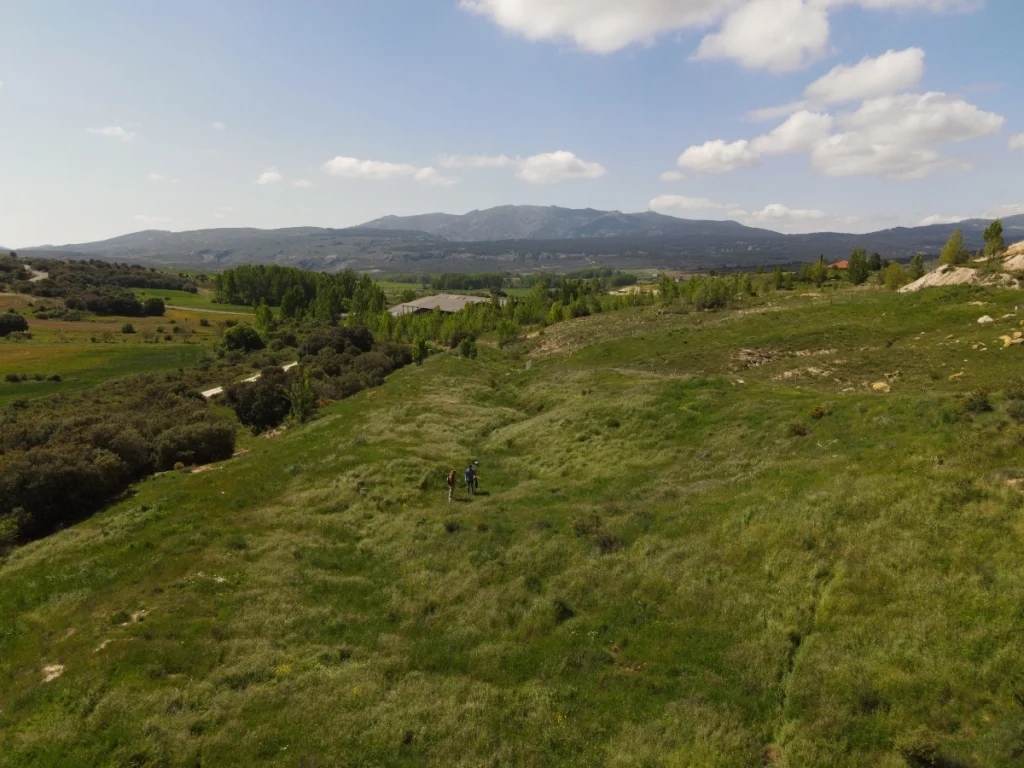
We design and construct topographies with natural shapes on surfaces transformed by various land uses such as mining, infrastructure construction, or degraded urban areas.
Our methodology, mainly based on GeoFluv™ and Carlson’s software Natural Regrade for CAD environments, creates stable surfaces that reduce erosion rates to levels similar to the natural environment.
Innovating in Ecosystem Restoration
Our methodology is entirely different from traditional terrace-based methods, which are vulnerable to erosion and often cause landslides and spills, leading to significant maintenance costs and low biodiversity.
Innovating in Ecosystem Restoration
Our methodology is entirely different from traditional terrace-based methods, which are vulnerable to erosion and often cause landslides and spills, leading to significant maintenance costs and low biodiversity.
Innovating in Ecosystem Restoration
Our methodology is entirely different from traditional terrace-based methods, which are vulnerable to erosion and often cause landslides and spills, leading to significant maintenance costs and low biodiversity.
Innovating in Ecosystem Restoration
Our methodology is entirely different from traditional terrace-based methods, which are vulnerable to erosion and often cause landslides and spills, leading to significant maintenance costs and low biodiversity.
Our service, Catch The Shape, offers a unique solution to these problems, facilitating the formation of biodiverse and self-sustaining ecosystems using circular economy principles.
+30
Projects
+400
Hectares designed in mining areas, urbanization projects, and renaturalization of former infrastructures
<10 T
Annual erosion rates in geomorphological restorations (Tons/ha/year)
1000%
Significant increase in biodiversity of restored areas
Why Choose Catch The Shape?
Professional License
The service is based on handling the GeoFluv™-Natural Regrade methodology and software, which is managed by only a few people worldwide, and for which we have a professional license.
Tested Service with Over 10 Years of Scientific Research
Documented in several scientific articles published by the founder of STONE161 and an Assistant Professor at the Complutense University of Madrid, Igancio Zapico Alonso.
Best Available Technique (BAT) Rating
According to the reference document for the management of waste from extractive industries in Europe in accordance with Directive 2006/21/EC.
Construction and Maintenance Cost Savings
Our methodology allows for up to 37% construction cost savings with no maintenance needed compared to traditional techniques. This translates into significant long-term cost reductions, making our service a profitable and sustainable investment.